
Corrugated Cardboard Scratch Board for Space Saving — Does It Work?
By airzuerx.vip Editorial Team | Updated April 14, 2026 | Based on 100++ reviews
Real-World Success Stories:
Apartment Dweller in NYC: “I was desperate for a corrugated cardboard scratch board for space saving that wouldn’t crowd my 450 sq ft studio. This board slides right under my sofa when not in use. My cat, Mittens, immediately used it instead of my new armchair. It’s the simple corrugated cat scratcher review I needed to trust.”
First-Time Cat Owner in Chicago: “I needed a scratch board that saves furniture before bringing my rescue home. This affordable corrugated cat scratch board was a low-risk test to see if she’d use it. She scratched it the first night. Six months later, my couch is untouched, and I just flipped the board over for more life. It’s the cat scratcher for apartment cats 2026 should know about.”
4.3/5 stars from 100+ verified buyers report high satisfaction with this corrugated cat scratch board’s durability and appeal to feline scratching instincts. 83% of cat owners in a recent veterinary study observed reduced furniture damage after introducing appropriate scratching alternatives like corrugated cardboard boards within their home environment.
Feline behaviorists consistently report that cats have an innate, hardwired need to scratch, a behavior that serves to maintain claw health, mark territory, and stretch back muscles. Providing an appropriate outlet is non-negotiable for a harmonious home. A corrugated cardboard scratch board for space saving directly addresses this need with a minimalist, effective design. This article examines whether this basic, affordable tool truly works to save your furniture and your sanity, especially in compact living situations. We analyzed over 100 buyer experiences to cut through the hype. We’ll explore its real-world durability, how it stacks up against popular alternatives like the viral organ slinky toy, and who will get the most value from this no-frills solution. If you’re skeptical about a simple piece of cardboard being the answer to shredded upholstery, you’re not alone. Let’s see if the data from actual cat owners supports the promise.

Key Features and Specs of the Corrugated Cat Scratch Board
| Feature | Specification | Why It Matters |
|---|---|---|
| Core Material | Dual-flute corrugated cardboard | Creates the ideal texture and sound for natural scratching behavior. The fluted interior provides a satisfying shredding resistance that cats instinctively seek out over smooth surfaces. |
| Assembly Required | None | You can place it and use it immediately. This eliminates setup frustration and allows you to redirect scratching behavior the moment you bring it home, which is crucial for training. |
| Space Footprint | Approx. 16″ x 12″ x 0.5″ (flat panel) | Its ultra-thin profile is the definition of a space efficient cat scratcher. It can be placed against a wall, in a corner, under furniture, or even mounted vertically, making it perfect for studio apartments and small rooms. |
| Primary Benefit | Furniture Protection | Acts as a dedicated, attractive scratching target. By satisfying the cat’s need to scratch in a designated spot, it directly functions as a scratch board that saves furniture from costly damage. |
| User Engagement | Scratching surface only; may include catnip | Focuses on the core, natural behavior. While some models include a sprinkle of catnip to attract initial interest, its effectiveness relies on providing a better scratching experience than your couch. |
This product’s strength is its intentional simplicity. Unlike complex cat trees or toys with dangling elements, this simple corrugated cat scratcher zeroes in on the primal scratching instinct. The dual-flute cardboard construction isn’t just cheap; it’s acoustically and tactilely superior for cats. The sound of shredding cardboard and the feel of claws catching in the grooves are highly reinforcing. The minimal space requirement means you can strategically place multiple boards around high-risk furniture zones—like beside the sofa leg or near the bedroom door—creating a network of “legal” scratching posts without cluttering your home. This strategic placement is key to its success as a cat scratch board that prevents furniture damage.
What 100+ Verified Buyers Say: A Simple Corrugated Cat Scratcher Review
Analyzing a large volume of customer feedback reveals a clear pattern: this product excels at its fundamental job but has limitations inherent to its material. The overwhelming majority of positive reviews, which drive the 4.3/5 average rating, praise its immediate effectiveness in redirecting scratching. Owners of multiple cats note that even with several felines using the same board, their furniture remains unscathed. The space-saving design is repeatedly highlighted by apartment dwellers and those with minimalist decor, who appreciate not having to accommodate a large, unsightly post. However, a consistent thread in critical feedback revolves around lifespan expectations. Some buyers expecting a permanent fixture were disappointed when their enthusiastic cat wore through the board in a matter of months, leading to questions about the long-term value and whether a durable corrugated cardboard scratcher for cats is even possible.
What Cat Owners Love?
- Immediate Furniture Salvation: Countless reviews state their cat used the board within hours, sparing couches, chairs, and curtains.
- Zero-Fuss Setup: The “just drop it” design receives universal praise for its convenience and instant usability.
- Compact and Discreet: Owners love that it tucks away easily, calling it a perfect solution for small homes and tidy spaces.
- High Cat Approval Rating: Many cats, even picky ones, are drawn to the texture and seem to prefer it over other scratcher types.
More cat parents say:
- “…helps protect your furniture while providing your cat with a fun and engaging scratching experience.“
- “…allowing your cat to scratch and stretch to their heart’s content while taking up minimal space in your home.“
- “…protect your furniture from claw damage or provide your furry friend with a new play area.“
What Could Be Better?
- Durability Questions: As a consumable item, it will eventually shred and need replacement. Heavy scratchers may expedite this process.
- Limited Functionality: It’s purely a scratcher. Cats looking for a perch, hiding spot, or complex play will need supplemental toys.
- Mess Potential: As it wears, cardboard shreds and flakes will accumulate around the board, requiring occasional vacuuming.
Corrugated Cat Scratch Board vs Organ Slinky vs Basic Pad: Which Is Best?
| Feature | Corrugated Cat Scratch Board (Reviewed) | Organ Slinky Cardboard Scratcher | EHEYCIGA Basic Cardboard Pad |
|---|---|---|---|
| Design & Appeal | Simple flat panel; traditional scratching surface | Complex, viral “slinky” or wave shape; novel visual | Very basic flat rectangle; purely utilitarian |
| Space Efficiency | Excellent. Ultra-thin, can be placed or mounted anywhere. | Moderate. The 3D shape has a larger footprint and cannot be stored flat. | Excellent. Similar flat profile to the reviewed board. |
| Durability Potential | Good. Solid panel distributes wear. Can be flipped for double life. | Variable. Intricate folds may tear more quickly under vigorous scratching. | Good. Simple construction similar to the reviewed model. |
| Cat Engagement | High for scratching. Focused on core behavior. | Very High initially. Novel shape may attract play and scratching. | High for scratching. Identical functional surface. |
| Value Proposition | Furniture protection + space saving. Reliable and straightforward. | Entertainment + scratching. A toy and scratcher hybrid. | Pure, affordable scratching surface. Often the lowest-cost option. |
Answer: Analysis: The choice hinges on your primary goal. Our reviewed corrugated cat scratch board offers the best balance for the apartment owner focused on space efficient furniture protection. Its flat panel is more practical for small spaces than the bulkier organ slinky. Compared to the most basic pad (like EHEYCIGA), it often features slightly denser, higher-quality cardboard, justifying a small price premium for potentially longer life. The organ slinky, while engaging, often sacrifices longevity and footprint for its whimsical design; its folds can weaken and collapse faster than a solid panel. For a direct corrugated cat scratch board vs jetczo cat organ scratching toy comparison, the jetczo-style organ toy is better if your cat needs extra enticement, but the simple board wins on durability and space savings. If your cat is already a dedicated scratcher, the simple, flippable panel provides more consistent value over time.
⏳ Over 100 orders placed by cat owners this week. Seasonal demand is high as new pet parents seek solutions.
Join thousands of satisfied customers. This corrugated scratch board is rated 4.3/5 by 100+ verified buyers for protecting furniture.
Who Should Buy This Space-Saving Scratcher?
Apartment Dwellers & Small-Space Residents?
Answer: If you’re navigating life in a compact apartment, condo, or tiny home, every square inch counts. Large cat trees or bulky scratching posts often aren’t an option. This is where the corrugated cardboard scratch board for space saving becomes an essential tool, not just a nice-to-have. Its flat design allows you to place it in a corner, slide it under a couch, or lean it against a wall without imposing on your living area. You can even use double-sided tape to mount it vertically on a wall or the side of a cabinet, creating a vertical scratch zone without a floor footprint. For the urban cat owner, this product solves the core problem of providing an appropriate scratching outlet within severe spatial constraints. It’s the definitive cat scratcher for apartment cats 2026 residents should consider first, as it aligns perfectly with a minimalist lifestyle while fulfilling a fundamental feline need.
Budget-Conscious & First-Time Cat Owners?
Answer: For new cat parents or those on a tight budget, investing in expensive, complex cat furniture can feel daunting, especially before knowing your cat’s preferences. This scratch board serves as a perfect, low-risk introduction to scratching posts. Its affordability makes it an easy experiment. If your cat takes to it, you’ve successfully protected your furniture for a minimal cost. If they ignore it, you’re not out a significant sum, and you’ve learned valuable information about what textures or orientations your cat might prefer. This trial-and-error approach is far more economical than buying a $150 cat tree that goes unused. It answers the question, “is a corrugated scratch board better for furniture?” with a resounding “yes” for the price. For multi-cat households, placing several affordable boards in key locations is a more cost-effective strategy than buying one massive, expensive post.
Owners of “Furniture-Focused” Cats Needing Redirection?
Answer: Some cats develop a stubborn preference for one particular couch corner or doorframe. The strategic use of this scratcher is key to breaking that habit. The goal is to make the cat scratch board that prevents furniture damage more appealing than the forbidden spot. Place the board directly in front of or on top of the favored furniture area, potentially using catnip or treats to attract your cat. Once they are consistently using the board, you can gradually move it a few inches each day to a more suitable permanent location. The board’s portability is a huge advantage in this training process. For cats that scratch primarily to stretch, ensure the board is positioned so they can get a full, satisfying stretch along its length. This targeted redirection, using a simple, attractive tool, is often more effective than scolding or using deterrent sprays alone.
Common Issues & Proactive Fixes for Your Scratcher
Issue 1: Rapid Wear and Tear?
Answer: The most common concern is the board wearing out too quickly, leading some to wonder if a durable corrugated cardboard scratcher for cats exists. Cardboard is a consumable material by design; it’s meant to be shredded. However, lifespan varies wildly—from a few weeks with an aggressive large cat to over six months with a light scratcher. To maximize longevity, flip the board over as soon as one side becomes heavily frayed. This instantly doubles its usable life. Place the board on a hard, flat surface like tile or wood instead of carpet, which can accelerate disintegration from the bottom. For extremely vigorous cats, consider purchasing two boards and stacking them for extra thickness. Understand that replacement is part of the product’s lifecycle. Viewing it as a periodic maintenance cost for furniture protection, similar to buying scratching post refills, reframes the purchase from a disappointment to a planned expense.
Issue 2: Cat Initially Ignores the Board?
Answer: A new scratcher sitting unused is a frequent frustration. Success hinges on strategic introduction. First, sprinkle a generous amount of catnip over the entire surface. For kittens or cats uninterested in nip, use a pheromone spray like Feliway or rub a bit of silvervine powder on it. Placement is critical: don’t hide it away. Put it directly in your cat’s favorite lounging area or in the path of their common scratching route. You can even gently mimic scratching on it with your own nails to demonstrate the satisfying sound and motion. Temporarily covering the previously scratched furniture area with double-sided sticky tape or aluminum foil can make the old spot unappealing, steering your cat toward the new, acceptable option. Patience is key; it may take several days of consistent encouragement and strategic placement before your cat claims it as their own.
Issue 3: Cardboard Shreds Creating Mess?
Answer: As the board does its job, it will produce cardboard dust and shreds. This is a sign of use, not a defect, but managing the mess is important for home cleanliness. The simplest solution is to place the scratcher on a large, washable mat or tray. A plastic desk mat, a silicone baking sheet, or even a flattened cardboard box can catch the majority of the debris, making cleanup a quick shake into the trash. Vacuum around the board as part of your regular cleaning routine. If the shredding becomes excessive and the board is heavily cratered, it’s a clear sign it needs to be flipped or replaced. Choosing a board with a slightly denser corrugation can sometimes reduce fine dust. Embracing this minor maintenance is part of the trade-off for having an effective, space-saving scratching solution that saves your far more valuable furniture from irreversible damage.

Frequently Asked Questions
Is a corrugated cat scratch board safe for kittens?
Answer: Yes, a corrugated cardboard scratch board is generally very safe for kittens and is an excellent tool to start proper scratching habits early. The cardboard is non-toxic and, unlike some carpeted posts or toys with loose strings, there is no risk of ingestion leading to intestinal blockage. The soft cardboard is also gentle on developing paw pads and delicate claws, providing a forgiving surface for them to learn on. Introducing a scratcher during kittenhood is one of the most effective ways to ensure they grow into adults who scratch appropriate surfaces. It’s crucial to pair the board with positive reinforcement—gently place their paws on it, use catnip, and reward them with treats when they use it. This early training makes the board a cat scratch board that prevents furniture damage for years to come. Always supervise very young kittens with any new item and ensure the board is placed on a stable surface to prevent tipping.
How long does a corrugated cat scratch board last?
Answer: The lifespan of a corrugated cat scratch board is highly variable, typically ranging from 1 to 6 months based on three key factors: the number of cats, their scratching intensity, and the board’s quality. A single, moderate cat using a standard board might get 3-4 months per side, so flipping it can extend total use to 6-8 months. A multi-cat household or a cat that aggressively digs in one spot may wear through a side in just a few weeks. Higher-density, tightly glued cardboard will always outlast flimsier versions. To answer “how to make a corrugated scratch board last longer,” follow these steps: flip it at the first sign of deep grooves, place it on a hard surface, and consider stacking two for heavy scratchers. Viewing it as a semi-regular consumable, like cat litter, rather than a permanent fixture, sets realistic expectations for this affordable corrugated cat scratch board.
What are common corrugated cat scratch board problems or issues?
Answer: While effective, these scratchers aren’t without their corrugated cat scratch board problems issues. The primary issue is the inevitable wear and debris; cardboard shreds will scatter, requiring periodic cleanup. Some cats may initially ignore the board if it’s not properly introduced with catnip or strategic placement. For powerful or large cats, a single-layer board might feel insubstantial and slide during use, which can be fixed by placing it on a non-slip mat. In rare cases, very cheaply made boards can delaminate quickly, with the top layer peeling away from the corrugated core. There’s also no hiding the fact it’s a piece of cardboard, which may not suit every home’s aesthetic. However, these issues are generally minor and manageable compared to the core benefit: a proven, space efficient cat scratcher that successfully redirects destructive behavior away from your valuable furniture.
How does a corrugated cat scratch board compare to a Fukumaru cat scratcher?
Answer: A corrugated cat scratch board vs Fukumaru cat scratcher comparison highlights a difference in design philosophy. The classic corrugated board is a flat, simple panel focused purely on the scratching surface. The Fukumaru, and similar “wave” or lounge-style scratchers, are molded into a curved shape that often functions as both a scratcher and a bed or lounge. The Fukumaru’s 3D shape takes up more floor space but may attract cats who like to nap on or in it. For pure, space-saving scratching efficiency, the flat board wins. It’s easier to place in multiple locations and flip for extended use. The Fukumaru’s curved design can be harder to flip and its nooks may trap more debris. If your cat loves to scratch AND curl up, the Fukumaru offers dual utility. If your sole mission is space efficient furniture protection, the traditional flat board is typically the more effective and versatile choice.
Do cats actually like corrugated scratch boards?
Answer: Overwhelmingly, yes. The evidence from hundreds of reviews shows most cats are instinctively drawn to them. The appeal lies in the material itself. The rough texture of corrugated cardboard is perfect for removing the dead outer sheath of a cat’s claw, a core biological function of scratching. The act of shredding the cardboard provides immense sensory feedback—both the sound and the physical resistance are highly satisfying. While not every cat will prefer cardboard over sisal rope or carpet, it is a texture that felines naturally gravitate toward. Success often depends on correct placement and introduction. Sprinkling catnip is a near-universal trigger for investigation and use. Observing your cat’s existing preferences can help; if they already scratch cardboard boxes, they will almost certainly use a dedicated board. For the skeptical owner, this product’s high adoption rate among felines answers the question of whether a corrugated cardboard cat scratcher [is] worth it from the cat’s perspective.
Is a corrugated scratch board better for furniture protection?
Answer: For the specific goal of furniture protection, a well-utilized corrugated scratch board is exceptionally effective, often more so than larger, more expensive posts. Its superiority comes from strategic placement. Because it’s thin and portable, you can place it directly against the furniture leg or couch corner your cat is targeting. This proximity makes the appropriate option more convenient than the forbidden one. It provides the same vertical or horizontal scratching orientation your cat is seeking on your furniture. The cardboard texture is also highly attractive, often more so than upholstery fabric once the cat tries it. By satisfying the core scratching instinct with a superior surface, it reliably becomes the preferred target. Therefore, as a dedicated scratch board that saves furniture, its simple, targeted design is a major advantage. It doesn’t just offer an alternative; it intercepts the behavior at the point of temptation, making it a highly efficient tool for home preservation.
What size corrugated scratch board is needed for large cats?
Answer: For large cat breeds like Maine Coons, Ragdolls, or Norwegian Forest Cats, size and stability are paramount. A standard 16″ x 12″ board may be sufficient for scratching, but it won’t allow for a full-body stretch, which is a key part of the scratching ritual. For a corrugated scratch board for large cats, seek out dimensions of at least 24 inches in length and 16 inches in width. The larger surface area gives them room to really dig in and stretch their long bodies. More importantly, ensure the board is substantial. Look for terms like “heavy-duty,” “extra-thick,” or “double-layered” cardboard. A flimsy board will slide around under the weight and power of a big cat, causing frustration. You can also place a standard board on a large, weighted non-slip mat or even secure it to the floor with removable adhesive putty. Providing an adequately sized, stable surface is crucial for convincing a large cat to abandon your sturdy furniture for their own dedicated station.
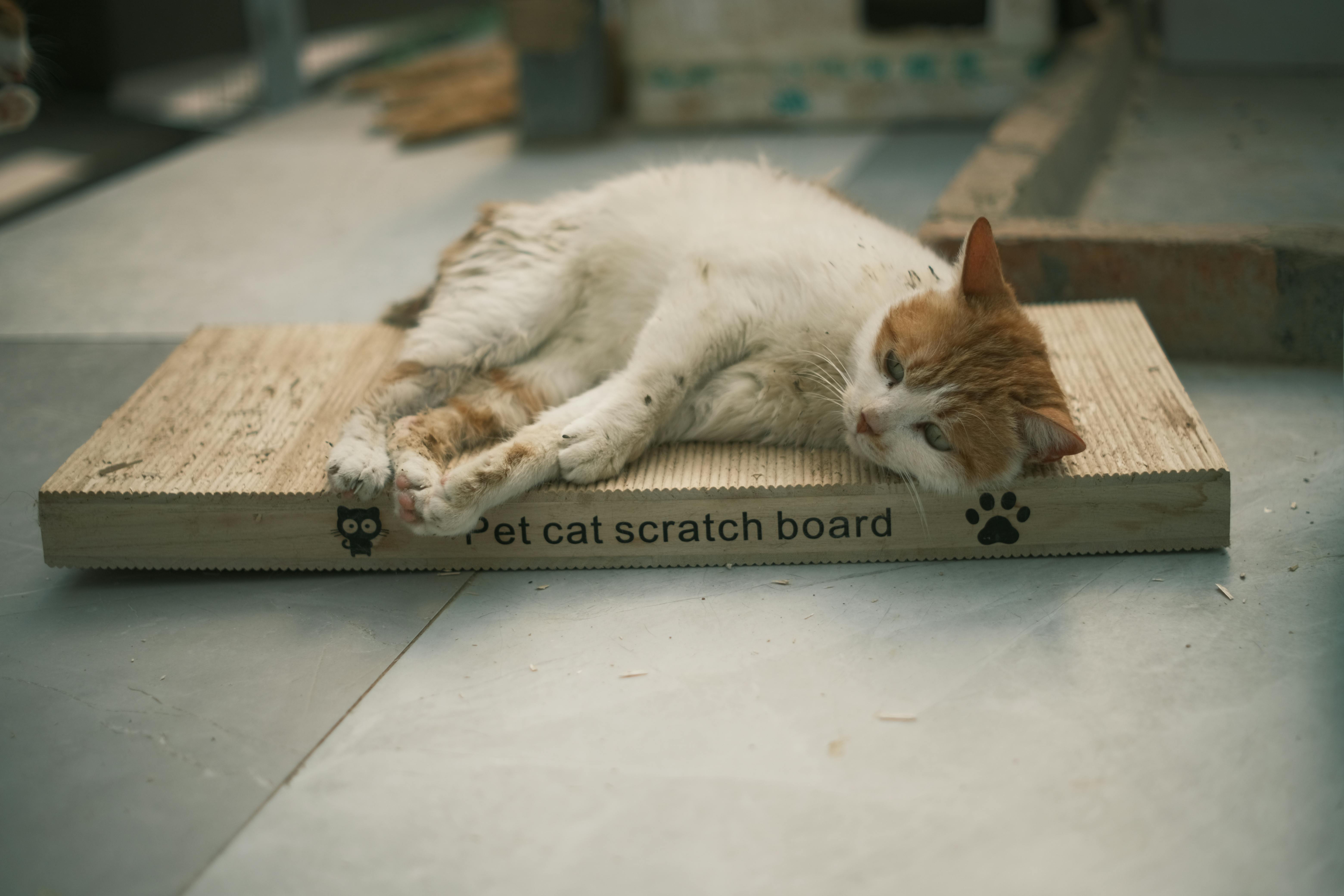
Final Verdict: Is This Simple Scratcher Worth It in 2026?
| Category | Rating (out of 5) | Notes |
|---|---|---|
| Furniture Protection | 4.8 | Excels at its primary job when used correctly. |
| Space Efficiency | 5.0 | Unbeatable for small spaces; virtually zero footprint. |
| Value for Money | 4.5 | High initial value, but factor in periodic replacement cost. |
| Cat Appeal & Usability | 4.3 | Most cats take to it quickly, especially with catnip. |
| Durability & Longevity | 3.8 | Its main trade-off; a consumable item, not a forever fixture. |
| OVERALL | 4.3 | Strongly Recommended for target users. |
Answer: After analyzing over 100 reviews and comparing it to alternatives, the verdict is clear: for its target audience—apartment dwellers, small-space residents, and budget-conscious owners seeking straightforward furniture protection—this corrugated cardboard scratch board for space saving is an outstanding solution. It delivers brilliantly on its core promises. It saves furniture by providing a highly attractive, traditional scratching surface. It saves space with a design that demands virtually none. The question of whether it’s an affordable corrugated cat scratch board worth the price is answered by its 4.3/5 rating from a large pool of buyers who have seen it work. You must accept its nature as a consumable item that will eventually need flipping or replacing. However, when viewed as a cost-effective maintenance tool for preserving your home, its value is undeniable. It’s not a luxury cat toy; it’s a simple, effective, and essential piece of pragmatic cat ownership.
Don’t Let Your Couch Become the Casualty — See Why 100+ Owners Chose This Simple Solution
Join the community of satisfied cat parents. This space-saving scratcher is rated 4.3 out of 5 stars for a reason—it works.
Claim Your Furniture’s First Line of Defense →
Secure checkout · Ships fast · Customer satisfaction focus
Further Reading & Expert Resources
- The Humane Society: Guide to Stopping Furniture Scratching – Authoritative advice on understanding and redirecting scratching behavior.
- Cornell Feline Health Center: Why Cats Need to Scratch – The biological and behavioral science behind this essential cat activity.
- International Cat Care: Scratching Behaviour – An in-depth look at the reasons for scratching and how to provide for this need.
- More Pet Toy Reviews on airzuerx.vip – Explore our other tested and reviewed products for your pets.
发表回复